


What is PVD coating?
14 06 2023, 00:00
0
PVD , short for Physical Vapor Deposition ( physical vapor deposition of metal vapors ), sputtering by condensation from the vapor (gas) phase - a group of methods of sputtering coatings (thin films) in a vacuum, in which the coating is obtained by direct condensation of the vapor of the applied material.
The PVD process consists in coating the entire metal surface with a thin layer of various metals (titanium, aluminum, tungsten, molybdenum, iron, nickel, copper, graphite, chromium) and their alloys, very dense and exceptionally strong metal-containing compounds. The coating is performed in a vacuum and provides effective and long-lasting protection against scratches and damage. With the help of vacuum spraying methods, a coating thickness from several angstroms to several microns is obtained; usually, after applying the coating, the surface does not require additional treatment.
PVD coating as a method has many processes. Each process has a unique procedure for applying the coating to the workpiece. Examples of popular PVD processes are vapor deposition and sputtering. The uniqueness of PVD coating is well documented in its popularity and use by several steel mills and companies.
All processes eventually lead to the formation of a thin film on the workpiece. This property differs from other coating methods that lead to the formation of a thick coating layer. Also, due to this property, the PVD coating received the name "thin film coating".
General steps involved in PVD coating
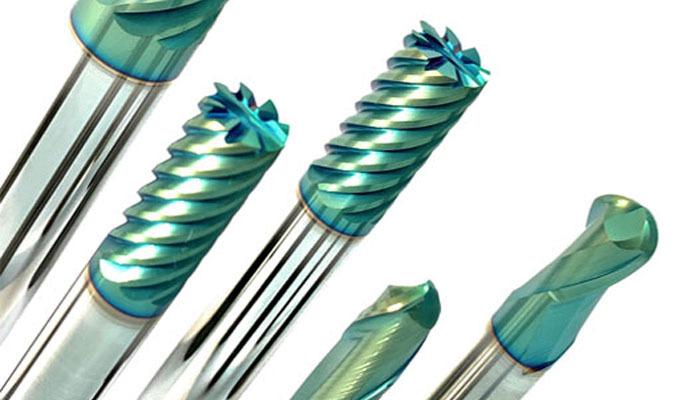
PVD coating has different processes. However, each process consists of three general steps, described below: Vaporization Vaporization is the conversion of a target into its vapor phase. Depending on the process you are following, we have many ways to convert the target to its vapor phase. For example, vapor deposition requires only heating the material in a vacuum to a very high temperature. This displaces and vaporizes the atoms on the target surface, making them available for the next step.
Reaction
The reaction step is critical in whatever PVD coating process you choose. Why? You can determine properties such as hardness and color by using the reaction. You should also notice two things at this point. First, it is at this stage that you decide how strongly the target atoms bind to the workpiece after condensation. Also, you should make sure that there is no chemical reaction at this stage.
You will achieve strong adhesion when using reactive gases such as nitrogen, oxygen and acetylene. These gases can form compounds such as oxides, nitrides, etc. that protect against corrosion and rust. In addition, by controlling the gases and time, you can determine aesthetic parameters such as the color of the coated material. Creation of a chemically inactive atmosphere is possible with the help of inert gases. In many industries, argon is the most common inert gas used in PVD coating.
Postponement
After completion of the reaction stage, i.e. during the coating process, the vapor/atom of the target condenses to form a thin film coating on the product. This coating gives aesthetic brightness. It's not just beautifying; it implements the sound quality of the influence of the former scene. After this step, your steel is left to cool before you start enjoying it.
PVD coating is a popular strategy due to its unique qualities. No matter what process you go through, you can enjoy its wonderful benefits. Here are some of the benefits you will experience.
Durability and reliability
Materials covered by the PVD method are durable. The tough character, corrosion resistance and abrasion resistance prevent wear or fading if the material under its coating is in good condition. The properties of the final material depend on the target material and other factors.
Compatibility
You can coat any material with the PVD technique. You can also use any material as a target in the process. As a result, the workpiece or target can be coated with inorganic or organic materials. Examples of excellent materials that can be used: plastic, iron, gold, titanium, etc.
Uniform coverage
All PVD-coated materials have a uniform coating. To ensure even coverage, the workpiece rotates at a constant speed.
Low costs
Materials covered by this method have higher resistance to various environmental factors. They are resistant to corrosion, resistant to abrasion, durable, etc.
Aesthetic value
PVD coating is famous for the quality it provides. However, it is more popular and is used for its aesthetic value. For example, you can enjoy a variety of colors, decoration, etc., which makes the product elegant. The use of PVD coating for its aesthetic value is evident in its use in industries such as automotive and telecommunications.
Environmental friendliness
Unlike other coating methods, PVD coating is environmentally friendly. You polish the color of the room with a set of steels with a uniform coating. The stages of each coating process do not pollute the environment. Regardless, PVD coating processes will not release harmful chemicals or air into the atmosphere like other forms such as electroplating do. security. According to evidence, products with a PVD coating last longer in terms of durability and operation. This is not only beneficial for the environment, but also a way to bring an aesthetic quality to such an environment. PVD coating fills the gap by using environmentally friendly options such as chromium nitride (CrN) and titanium nitride. Ceramic PVD coatings are superior to traditional electroplating because PVD coatings have exceptional strength and wear resistance. Materials under the influence of PVD do not lose color. Has significant resistance to corrosion resistance. PVD coating is also used as an overlay on anti-corrosion electroplating to provide an aesthetic, wear-resistant quality finish. Generally, PVD offers beneficial properties without environmental hazards.
What materials can be PVD-coated?
You can coat many materials using the PVD coating technique.
Below are common materials that can be coated with this technique and where they are applicable:
- Gold PVD coating
- Brass with PVD coating
- Copper with PVD coating
- PVD coating of stainless steel
- Graphite PVD coating
- Titanium PVD coating
- PVD coating ABS plastic
- PVD polyamide coating
- PVD polyetherimide coating
- Fluorocarbons with PVD coating (Teflon)
- PVD polyurethane coating
- Polypropylene with PVD coating
- Polyethylene with PVD coating
- PVD coating of PVC
- Polyester with PVD coating
- Nylon with PVD coating
- PVD coating of phenolic resins
- Polycarbonate with PVD coating
- Epoxy PVD coatings
- Glass with PVD coating
- PVD coating of zinc casting
Application of PVD coating
The PVD coating method has a wide range of applications at various industrial levels. Its wide application is due to the above advantages. Below are a few industries that use PVD coatings in their production.
Consumer goods

Consumer goods companies use PVD coatings in the manufacture of their products. They are looking for quality signs of TECHNIQUES. They also want the aesthetic value of PVD. Jewelry, such as wristwatches, are examples of PVD-coated consumer products. Brands prefer PVD coating on jewelry because of the arbitrary increase in their prices in the market. The PVD technique is necessary in the manufacture of jewelry such as gold wristwatches. A gold wristwatch is not necessarily made of pure gold. Companies such as Longines cover metals such as iron and nickel with a thin layer of gold using PVD COATING. With this technique, you get a gold wristwatch for less than a pure gold wristwatch.
Automotive
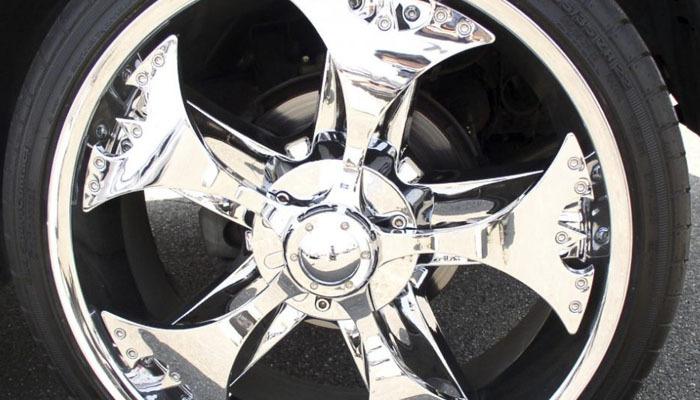
Energy consumption is an important factor in the production of cars. Therefore, many automotive parts are light in weight. The light weight is due to the fact that manufacturers use aluminum and titanium in the production process. Despite the fact that these materials are light, they are not hard and rub with friction. Therefore, it is necessary to apply a coating on them to make them hard and have a low coefficient of friction. PVD coating technology can provide these properties. In addition to quality, PVD improves the appearance of an automotive part.
Architectural application
PVD coating has given architects an edge in projects known for their quality and elegance. The technique allows the use of different colors, which increases the aesthetic value of such structures. It also provides the hardness, lightness and corrosion resistance necessary for such projects. PVD coating is used in shopping malls, train stations and retail stores.
Accessories for the bathroom
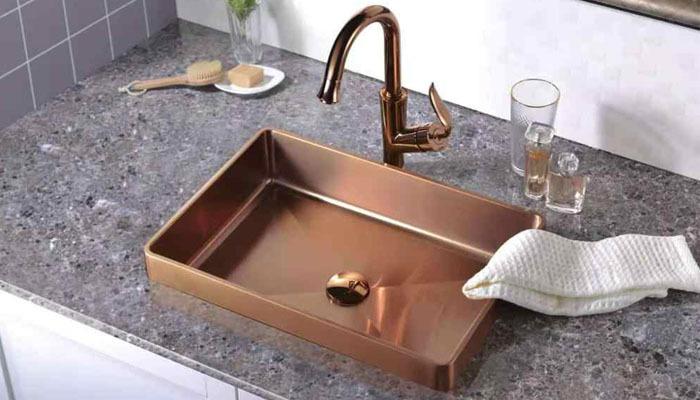
Companies producing bathroom accessories include PVD coating in their production process. The technique is used to make sink faucets, faucets, bath mixers, zinc, etc. Bath accessories are PVD-coated to protect against sweat, abrasion and aseptic ability. This is in addition to the other quality values it has. The PVD coating also provides a wide range of accessory colors, making it ideal for bathroom accessories.
Lighting
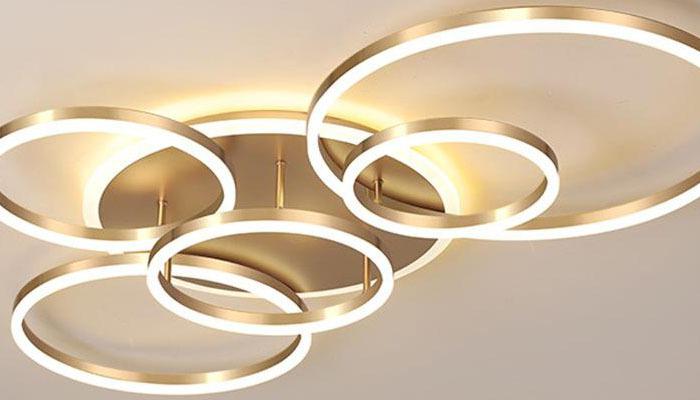
Leading lighting companies now use PVD coating. However, it is used more for its aesthetic value and durability. One of the important aesthetic values of lighting is the color that enhances it. You can quickly get the right color for your lighting by changing the time, workpiece and coating material. With PVD coating, you can also include precious metals or simulate lighting details. Also, with PVD coating, lighting fixtures become more durable. You can use them both indoors and outdoors without being affected by environmental conditions.
Marine
The marine environment is chemically aggressive and quickly causes corrosion due to its salty nature. It therefore attacks anything coated by standard methods such as electroplating, electroplating and painting.
Because the PVD coating method involves bonding at the atomic level, it is ideal for marine environments. It not only includes its aesthetic value when building up, but is also durable and can withstand salty environments. Therefore, PVD coating is used in the manufacture of yacht and boat parts.
Home equipment

PVD coating is used in the manufacture of home fittings, such as door handles, window sills, etc. Home fittings must be made of various materials, colors and geometries. PVD coating is required here. It creates different colors that are necessary for its elegance. The PVD coating also makes the equipment resistant to corrosion, rust and other environmental anomalies.
Game and sports equipment
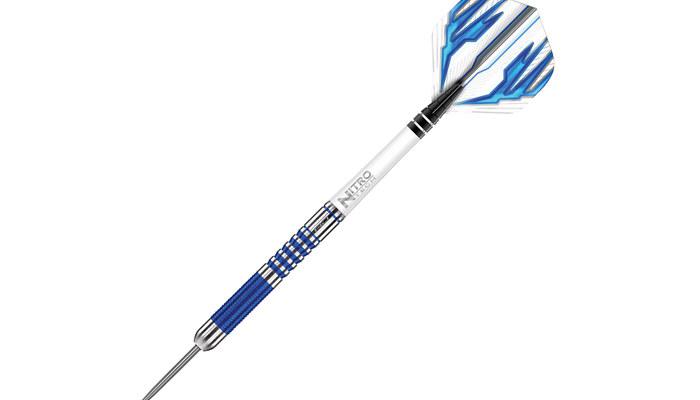
Game and sports equipment is constantly used in different conditions. Thus, PVD coating is of vital importance due to its properties such as durability, corrosion resistance. PVD coating is used in the production of gaming and sports equipment due to its aesthetic value. Examples of gaming and sports equipment where this technique is used are bats (metal and plastic), darts, shoe pins, poles, spears, etc.
Kitchen appliances
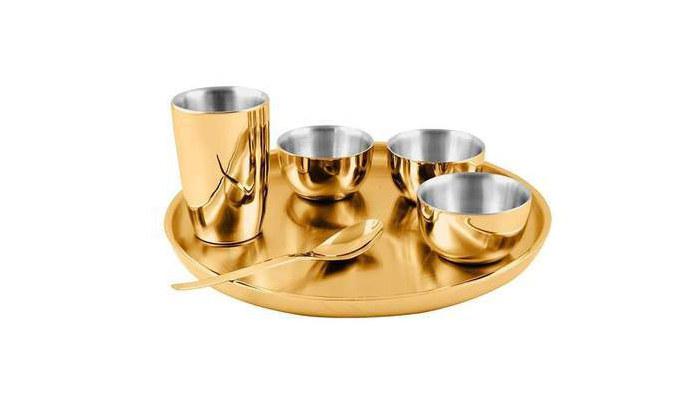
The PVD coating technique occurs at the atomic level, which makes it suitable for kitchen appliances. Kitchen appliances should be durable, healthy and elegant. While other methods can create these effects, PVD coating enhances it by adding properties such as scratch protection. Companies involved in kitchen appliances such as cookware and cutlery use the technique PVD.
Decorative use
PVD coating is mainly used for decorative purposes, not to improve quality. It can provide different colors, which provides choice and elegance. You can get the right color by changing the time, workpiece and coating material.
An excellent example of a decorative application of PVD is its use to coat stainless steel. PVD coating can change the color of stainless steel to look like brass or bronze. Its decorative attribute is also visible in the processing of smartphones. For example, Apple uses it to finish Space Gray and Gold used in the iPhone series.
Medical instruments
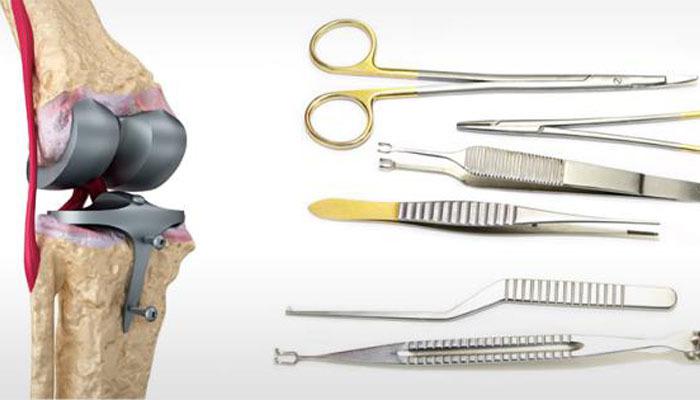
PVD coating results in the production of clean and pure coated material. Thanks to this, it is ideal for covering materials that require special cleanliness. Therefore, many surgical materials are covered using this technique.
Agriculture
Agricultural tools are mainly used for outdoor work. Therefore, they are highly affected by many factors such as corrosion and rust.
Some have attempted to coat such metals using methods such as electroplating. However, this leads to excessive consumption of the material. It can also be easily affected by the external environment. PVD coating is ideal for coating agricultural tools due to its durability and resistance to environmental conditions. Some companies also use this technique for its aesthetic value. However, this is a common occurrence.
Rate this article:
(0.0)
Comments
No reviews yet


